
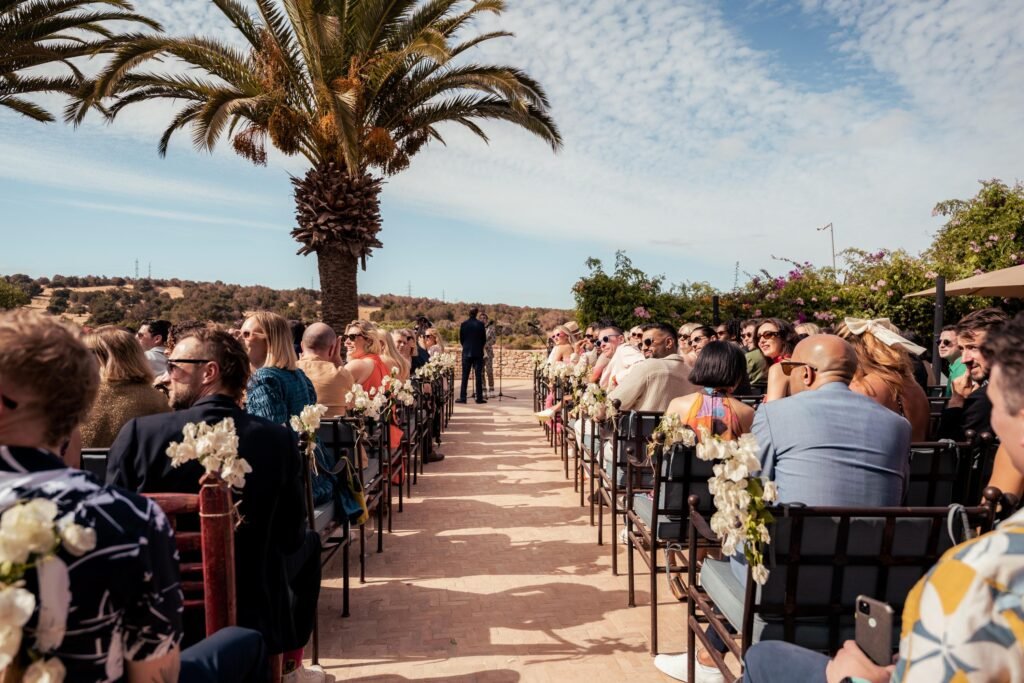
As a photographer rooted in the vibrant culture and architecture of Morocco, I’ve developed a deep appreciation for the unique challenges and rewards of photographing small interior spaces. These spaces, often filled with character and stories, require a thoughtful approach that respects their intimacy while showcasing their details. For me, it’s all about finding the perfect light and composition to breathe life into every corner.
Understanding the Space
Before I even pick up my camera, I dedicate time to understanding the space I’ll be photographing. Whether it’s a compact riad in Marrakech or a quaint apartment in Essaouira, each venue has unique features that deserve to be highlighted. I consider:
- Layout: Knowing how the space flows helps me capture images that make it feel larger and more inviting.
- Character: Many small spaces have charming architectural details, such as intricate tile work or traditional wood ceilings.
- Perspective: I scout angles that best represent the character and function of the space, often moving furniture to create a better composition.
Harnessing Natural Light
Natural light is my best friend when it comes to interior photography. I find that soft, diffused light creates a warm atmosphere that resonates with the feelings of home and comfort. Here’s how I make the most of it:
- Timing: I prefer shooting in the morning or late afternoon, when the light is softer and more flattering.
- Windows and Openings: I consider how windows affect the light in each room and use them strategically to highlight the space’s best features.
- Reflective Surfaces: I utilize mirrors and shiny surfaces to bounce light around the room, adding depth and texture.
Documentary Storytelling
Each small space has a story to tell, and I aim to convey that through my photography. This is about more than just aesthetic appeal; it’s about capturing the essence of life within the space. I look out for:
- Human Interaction: If possible, I encourage genuine moments of interaction to provide context to the environment.
- Details: Capturing specific details, like a book on a table or a child’s toy on the floor, can narrate the space’s functionality.
- Colors and Textures: I focus on how colors and materials contribute to the atmosphere of the space, emphasizing the characteristic hues of Moroccan architecture.
Composition Techniques
When photographing small spaces, careful composition is essential. I use specific techniques to ensure that my images maintain a sense of balance and flow:
- Leading Lines: I incorporate lines in the architecture to guide the viewer’s eye through the image.
- Framing: Often, I frame shots using doorways or windows to create a look that feels natural and immersive.
- Rule of Thirds: I apply the rule of thirds not just to create visually appealing shots, but also to give the viewer a complete sense of the environment.
Post-Processing for Realism
Once I’ve captured the images, the editing process begins. I prioritize realism and natural beauty, focusing on:
- Color Accuracy: I ensure that colors reflect the true atmosphere of the space, avoiding over-saturation or artificial enhancements.
- Natural Skin Tones: If people are involved, I focus on retaining authentic skin tones and emotions.
- Consistency: I maintain a uniform style across the gallery to ensure that all images flow harmoniously together.
Intended Uses of the Images
Understanding how the photographs will be used is vital to my workflow. Whether for a real estate listing or marketing materials for brands and businesses, each format requires a specific approach:
- Web Use: I capture images that are optimized for web viewing, ensuring they display beautifully on platforms like Instagram.
- Print Materials: For brochures or flyers, I shoot high-resolution images to maintain clarity and detail in larger formats.
Final Thoughts
Photographing small interior spaces is a journey for me—a blend of technical skill and artistic storytelling. Each project enriches my understanding of Moroccan architecture while allowing me to connect with various cultures and stories. My experiences in Essaouira and Marrakech have significantly shaped my perspective, and I find joy in revealing the beauty of spaces, no matter their size.
Frequently Asked Questions
Consider the layout, usable light, and the character of the space. Understanding these elements helps create an authentic and inviting atmosphere in your photographs.
I focus on shooting during soft light hours—morning or late afternoon—to enhance the natural beauty of the space. Windows are crucial, as they illuminate and define each room's mood.
Documentary storytelling allows me to capture the essence and emotional atmosphere of the space. It emphasizes real moments, inviting viewers to connect with the environment.
I prioritize realism in my editing, ensuring color accuracy and consistency while avoiding excessive processing. I focus on natural skin tones if people are present and maintain an overall cohesive look.
{“@context”:”https://schema.org”,”@type”:”FAQPage”,”mainEntity”:[{“@type”:”Question”,”name”:”What should I consider when photographing small interior spaces?”,”acceptedAnswer”:{“@type”:”Answer”,”text”:”Consider the layout, usable light, and the character of the space. Understanding these elements helps create an authentic and inviting atmosphere in your photographs.”}},{“@type”:”Question”,”name”:”How do you use natural light in interior photography?”,”acceptedAnswer”:{“@type”:”Answer”,”text”:”I focus on shooting during soft light hoursu2014morning or late afternoonu2014to enhance the natural beauty of the space. Windows are crucial, as they illuminate and define each room’s mood.”}},{“@type”:”Question”,”name”:”Why is documentary storytelling important in your work?”,”acceptedAnswer”:{“@type”:”Answer”,”text”:”Documentary storytelling allows me to capture the essence and emotional atmosphere of the space. It emphasizes real moments, inviting viewers to connect with the environment.”}},{“@type”:”Question”,”name”:”How do you edit your interior photos?”,”acceptedAnswer”:{“@type”:”Answer”,”text”:”I prioritize realism in my editing, ensuring color accuracy and consistency while avoiding excessive processing. I focus on natural skin tones if people are present and maintain an overall cohesive look.”}}]}