
Introduction
I believe that atmosphere is the heartbeat of hospitality photography. As a photographer based in Morocco, specifically between the bustling streets of Marrakech and the serene coast of Essaouira, I have come to appreciate how the ambiance of a space can transform an ordinary photo into an evocative story. Whether I’m capturing the elegance of a riad or the tranquil vibe of a beachfront hotel, understanding and conveying atmosphere is crucial to my work.
The Vibe of a Space
When I step into a new location, I spend time absorbing its essence. Every hotel or riad has a distinct character shaped by its architecture, surroundings, and purpose. It’s not just about finding the right angles; it’s about interpreting what the space feels like and what it intends to offer its guests.
- Architecture: The design elements, from ornate tilework to open courtyards, contribute significantly to the overall atmosphere.
- Surrounding Environment: The natural light, whether it’s the warm glow of the early sun or the soft diffused light of a cloudy day, shapes the mood.
- Atmospheric Details: Textures, colors, and scents can even influence how I perceive and capture the space.
How Light Influences Atmosphere
The play of natural light is a significant aspect of my photography. I often find that the quality and angle of light can evoke different feelings. For example, the soft morning light can create a soothing calmness, while golden hour might add warmth and vibrancy to the image. My approach includes:
- Observing the changing light throughout the day
- Determining the best times for different settings
- Employing shadows and highlights to add depth.
Capturing a hotel room at sunrise can feel like a peaceful retreat, while a sunset scene on a terrace can emanate romance and allure. Understanding how to work with the available light is crucial for achieving the desired atmosphere.
Location Knowledge
Being familiar with a location greatly enhances my ability to capture it authentically. In Essaouira, the rugged coastline and historical medina offer unique textures and moods that reflect the region’s rich identity. In Marrakech, the vibrant palette of colors and intricate designs speaks to its lively spirit. Each setting carries its own stories, which I strive to reveal through my lens.
Storytelling Through Photography
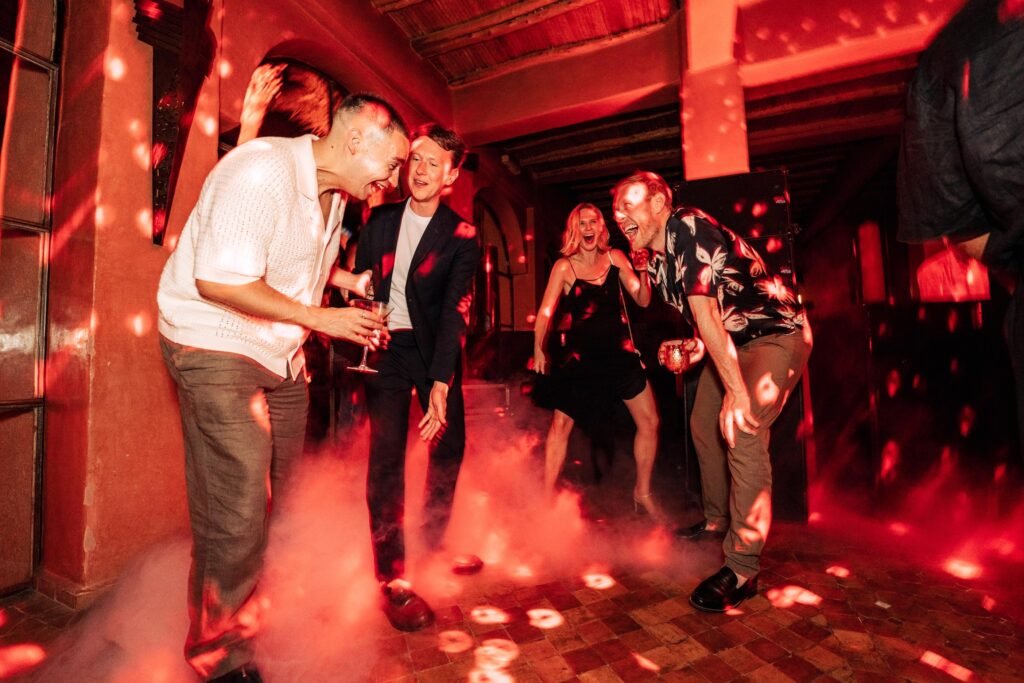
Photography is not just about capturing an image; it’s about telling a story. Every photograph should evoke a feeling that resonates with its viewers. By integrating elements of documentary storytelling, I aim to encapsulate not just the atmosphere, but the experience it promises. For instance, showing a quiet corner of a hotel café can suggest serenity, while a lively pool scene can convey a sense of joy and celebration.
Emotion Over Perfection
I prefer capturing genuine moments rather than overly posed shots. Whether it’s a family enjoying time together or a couple sharing an intimate moment, these authentic interactions convey atmosphere more powerfully than any staged pose could.
- Natural Poses: I guide people gently, focusing on their comfort and spontaneity.
- Connection: The best moments often happen when people feel at ease.
Selection and Editing Process
My editing process plays a significant role in shaping the final atmosphere of the images. I focus on:
- Preserving natural skin tones
- Enhancing the light to maintain a realistic feel
- Creating visual consistency across the gallery
This attention to detail ensures that the photographs not only reflect the moment captured but also the intended atmosphere and experience of the space.
Adapting to Client Needs
Understanding how images will be used ensures that I tailor my approach accordingly. Whether for a hotel’s website, social media, or promotional materials, I consider:
- The target audience’s expectations
- The narrative the client wishes to convey
- Formats and resolutions suited for various platforms
This tailored approach allows me to create photos that resonate deeply with both the venue and its intended viewers.
Conclusion
Capturing the atmosphere in hospitality photography is more than just a technical skill; it’s about feeling the space and translating that emotion into images. From the serene vibes of Essaouira to the vibrant life of Marrakech, the essence of a location can be powerfully communicated through careful observation, the magic of light, and authentic storytelling. As I continue to evolve my craft, I remain committed to capturing those precious moments that define the spirit of Moroccan hospitality.
Frequently Asked Questions
Hospitality photography focuses on capturing images that portray hotels, resorts, and restaurants in a way that highlights their ambiance and appeal.
Atmosphere plays a crucial role in making images feel inviting and emotionally engaging, helping potential guests connect with the space.
Natural light creates genuine emotions and adds depth to images, enhancing the overall look and feel of hospitality photographs.
I focus on observing the location, understanding light, capturing genuine emotions, and selecting images that tell a cohesive story.
{“@context”:”https://schema.org”,”@type”:”FAQPage”,”mainEntity”:[{“@type”:”Question”,”name”:”What is hospitality photography?”,”acceptedAnswer”:{“@type”:”Answer”,”text”:”Hospitality photography focuses on capturing images that portray hotels, resorts, and restaurants in a way that highlights their ambiance and appeal.”}},{“@type”:”Question”,”name”:”How can atmosphere enhance hospitality photography?”,”acceptedAnswer”:{“@type”:”Answer”,”text”:”Atmosphere plays a crucial role in making images feel inviting and emotionally engaging, helping potential guests connect with the space.”}},{“@type”:”Question”,”name”:”Why is natural light important in photography?”,”acceptedAnswer”:{“@type”:”Answer”,”text”:”Natural light creates genuine emotions and adds depth to images, enhancing the overall look and feel of hospitality photographs.”}},{“@type”:”Question”,”name”:”What techniques do you use in hospitality photography?”,”acceptedAnswer”:{“@type”:”Answer”,”text”:”I focus on observing the location, understanding light, capturing genuine emotions, and selecting images that tell a cohesive story.”}}]}